UK Drone Filming Rules 2026: What You Need Before Your Shoot
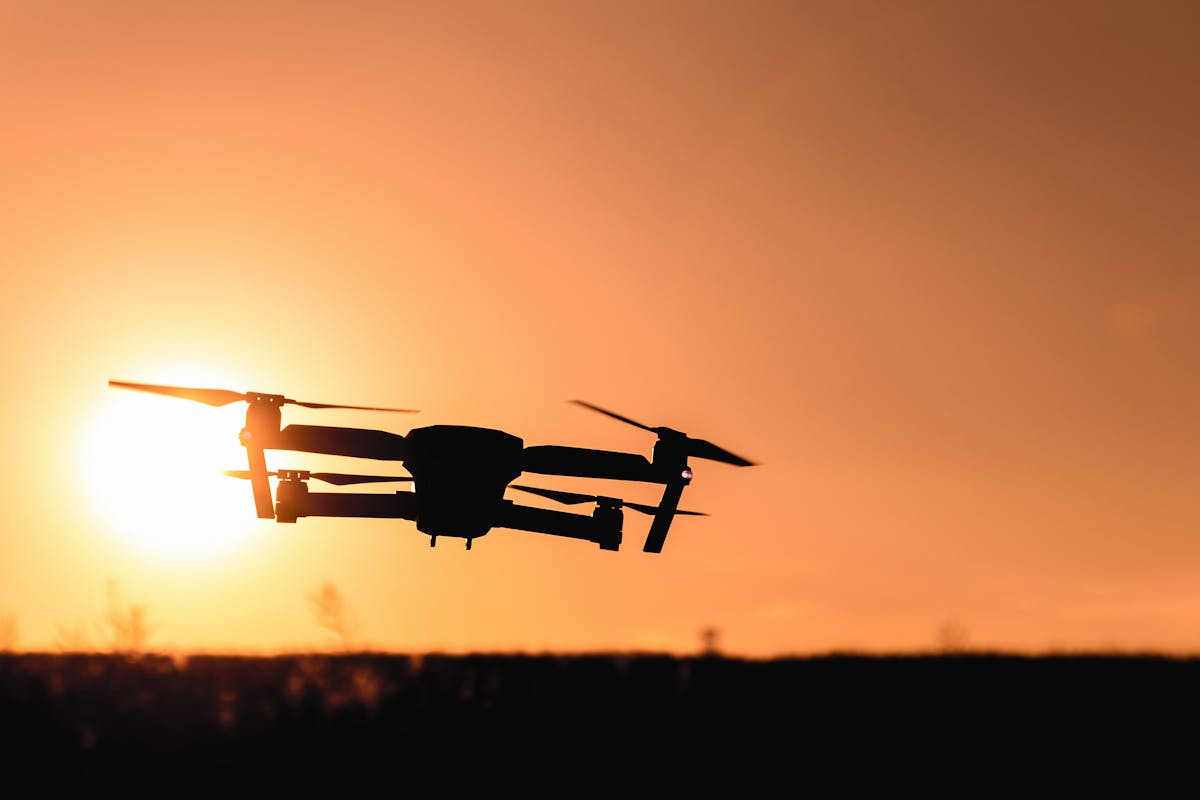
 Photo by Altaf Shah on Pexels
Commercial drone filming in the UK offers incredible creative possibilities for video production, but it comes with strict regulatory requirements. Whether you're considering hiring a drone operator or planning to operate commercially yourself, understanding UK drone regulations is essential for legal, safe, and professional operations.
At Airframe Media, we're fully licensed and insured for commercial drone operations across London and the UK. This comprehensive guide breaks down everything you need to know about UK drone regulations for commercial video production in 2026.
Why UK Drone Regulations Matter for Commercial Video
The UK has some of the world's busiest and most complex airspace. The Civil Aviation Authority (CAA) enforces strict regulations to ensure:
- Public safety - Protecting people and property on the ground
- Airspace security - Preventing interference with manned aircraft
- Privacy protection - Respecting individuals' rights
- Professional standards - Ensuring commercial operators are qualified
The consequences of non-compliance are serious:
- Fines up to £5,000 for individuals
- Unlimited fines for organisations
- Criminal prosecution in serious cases
- Invalidated insurance (massive liability exposure)
- Reputational damage to your business
If you're commissioning commercial drone footage, always verify your operator is fully licensed and insured. If they're not, you could share liability for any incidents.
UK Commercial Drone Requirements Overview
Operating drones commercially in the UK requires meeting several mandatory requirements. Here's the complete checklist:
1. Operator Registration (Flyer ID & Operator ID)
Who needs it: Anyone operating a drone weighing 250g or more Cost: £10.33 per year (Operator ID) Process: Register at the CAA's drone registration portal
Two types of registration:
Flyer ID (Personal competency)
- Pass online theory test (40 multiple choice questions)
- Valid for 3 years
- Proves you understand the Drone Code
- Required even for commercial operations
Operator ID (Organisation/business)
- Required for anyone responsible for a drone
- Annual renewal
- Must be displayed on all drones you operate
- Links you to insurance and legal compliance
2. Commercial Drone Pilot Qualification
To fly drones commercially in the UK, you need a recognised pilot qualification. The level depends on your operation type:
A2 Certificate of Competency (A2 CofC)
What it allows:
- Fly drones up to 4kg within 50m of uninvolved people
- Fly drones 4-25kg within 50m of uninvolved people (with low-speed mode)
- Operate within 150m of residential, commercial, or recreational areas
- Most commercial work falls under this category
How to get it:
- Complete CAA-approved online course (£300-£500)
- Pass online theory exam
- Complete practical flight assessment
- Average time: 2-4 weeks
General Visual Line of Sight Certificate (GVC)
What it allows:
- Advanced operations in the 'specific' category
- Operations not covered by A2 CofC
- Closer proximity to people (with risk assessment)
- Extended visual line of sight (EVLOS) operations
How to get it:
- Complete CAA-approved training course (£1,000-£2,000)
- Theory and practical assessment
- More comprehensive than A2 CofC
- Required for complex commercial operations
3. Operating Safety Case (OSC)
For operations that fall outside standard permissions, you'll need an Operating Safety Case:
When you need an OSC:
- Flying within 50m of people
- Operating in congested areas
- Night operations
- Beyond visual line of sight (BVLOS)
- Flying above 400ft / 120m
What it involves:
- Detailed risk assessment
- Safety mitigation procedures
- Emergency response plans
- CAA approval required
- Can take 6-12 weeks for approval
4. Insurance Requirements
 Photo by Andrea Piacquadio on Pexels
Commercial drone insurance is mandatory for all business operations:
Public Liability Insurance
- Minimum £1 million coverage (industry standard: £5-10 million)
- Covers damage to property and injury to third parties
- Annual cost: £500-£2,000 depending on operation scale
- Must specifically cover commercial drone operations
Additional Coverage to Consider:
- Equipment insurance (drones are expensive)
- Professional indemnity (for production errors)
- Employer's liability (if you have staff)
Important: Standard business insurance doesn't cover drone operations. You need specialist drone insurance.
Recommended UK drone insurance providers:
- Flock Cover (pay-per-flight option)
- Moonrock Insurance
- Coverdrone
- SkyWatch.AI
Understanding UK Drone Categories
The CAA categorises drone operations into three risk-based categories:
Open Category (Lowest Risk)
Characteristics:
- Drones under 25kg
- Visual line of sight
- Below 120m altitude
- Away from people and restricted areas
Subcategories:
- A1: Over people (drones under 250g, CE marked)
- A2: Close to people (50m minimum, requires A2 CofC)
- A3: Far from people (150m from residential areas)
Most commercial filming falls here with an A2 CofC.
Specific Category (Medium Risk)
Operations not covered by Open Category:
Requires:
- Risk assessment
- CAA authorisation (Operating Safety Case)
- Higher pilot qualifications (GVC)
Examples:
- Filming events with crowds
- Night operations
- Complex urban filming
- Extended range operations
Certified Category (High Risk)
Large drones or high-risk operations requiring full aviation certification. Rarely applies to video production work.
London-Specific Drone Restrictions
 Photo by Nicole Rathmayr on Pexels
Flying drones in London presents additional challenges due to dense airspace and security restrictions:
Protected Airspace
London City Airport Flight Restriction Zone (FRZ)
- 5km radius around London City Airport
- Altitude restrictions apply
- CAA authorisation required
Heathrow, Gatwick, Stansted Zones
- Extended restriction zones
- Most of Greater London affected
- Pre-flight airspace checks essential
Use the NATS Drone Assist app to check airspace restrictions before every flight.
Royal Parks and Landmarks
Prohibited areas include:
- All Royal Parks (Hyde Park, Regent's Park, Richmond Park, etc.)
- Within 150m of any congested area
- Government buildings and sensitive sites
- Areas with active flight restriction notices (NOTAMs)
Westminster and Central London
The centre of London is effectively a no-fly zone for drones without special authorisation:
- Dense population (congested area rules apply)
- Multiple airspace restrictions
- Security concerns around government buildings
- Requires complex Operating Safety Case
For most London drone filming: Expect to operate in outer boroughs, parks with permissions, or private property with airspace clearance.
Step-by-Step: Legal Commercial Drone Operation
Here's the complete process for legally operating a commercial drone in the UK:
Before You Fly (Pre-Flight Planning)
1. Check Airspace (Mandatory)
- Download NATS Drone Assist app
- Check for active NOTAMs (Notice to Airmen)
- Verify you're outside Flight Restriction Zones
- Note altitude limits for your location
2. Risk Assessment
- Identify hazards (people, buildings, power lines, etc.)
- Weather conditions (wind, rain, visibility)
- Emergency landing zones
- Privacy considerations
3. Permissions
- Land owner permission (if not your property)
- Additional permissions for parks/public land
- Notification to nearby residents (best practice)
- Film location permits if required
4. Insurance Check
- Confirm insurance is active
- Coverage matches your operation type
- Certificate available if requested
During Flight (Operational Requirements)
Visual Line of Sight (VLOS)
- Maintain unaided visual contact with drone
- Maximum distance: Typically 500m (visibility dependent)
- No flying through clouds or fog
- Spotter required for complex operations
Altitude Limits
- 400ft (120m) maximum above surface
- Lower limits in controlled airspace
- Measured from takeoff point or terrain below
People and Property
- Minimum 50m from uninvolved people (A2 CofC)
- 150m from congested areas (residential, commercial)
- Never fly over crowds
- Respect privacy - avoid filming into private property
Weather Limits
- Wind speed under manufacturer specifications (typically 30mph)
- Avoid rain (water damage risk)
- Good visibility required
- Temperature within battery operating range
After Flight (Record Keeping)
Maintain flight logs including:
- Date, time, location
- Drone model and serial number
- Pilot details
- Flight purpose
- Incidents or issues
- Battery information
Why this matters:
- Insurance claims require flight logs
- CAA may request records
- Demonstrates professional operation
- Helps track equipment maintenance
Common UK Drone Filming Scenarios
Filming Corporate Buildings
Requirements:
- Building owner permission
- Airspace check (especially near airports)
- A2 CofC minimum
- Public liability insurance
Considerations:
- Early morning filming avoids crowds
- Notify security/reception
- Plan alternative shots if airspace becomes restricted
Event Coverage (Conferences, Weddings, Corporate Events)
Challenges:
- People present = higher risk category
- May require Operating Safety Case
- Insurance critical (public liability minimum £5 million)
Solutions:
- Film before/after event when fewer people present
- Operate from designated area away from crowds
- Higher altitude shots reduce proximity risk
Property and Real Estate Filming
Generally straightforward:
- Owner permission
- Residential area = 150m minimum (unless over property itself)
- A2 CofC adequate for most situations
Best practice:
- Notify neighbours
- Film mid-week to avoid disturbance
- Maintain altitude to respect privacy
London Skyline and Aerial Cityscape
Extremely challenging:
- Multiple airspace restrictions
- Congested area regulations
- Often requires Operating Safety Case
- May need CAA authorisation
Alternatives:
- Film from tall buildings (no drone regulations apply)
- Focus on outer London areas with clearer airspace
- Pre-dawn timing reduces congestion classification
Choosing a Licensed UK Drone Operator
 Photo by tugay aydın on Pexels
If you're commissioning drone footage for your business, here's what to verify:
Essential Qualifications to Check
1. CAA Operator ID
- Ask for their Operator ID number
- Should be displayed on their drones
- Verify at CAA register if concerned
2. Pilot Qualification
- A2 Certificate of Competency (minimum)
- GVC for complex operations
- Ask to see their qualification certificates
3. Insurance
- Request proof of current insurance
- Verify coverage amount (£5 million+ recommended)
- Ensure it covers commercial operations specifically
4. Equipment Quality
- Professional-grade drones (DJI Inspire, Mavic 3 Cine, etc.)
- Backup equipment for reliability
- Regular maintenance schedule
Questions to Ask Potential Drone Operators
About Compliance:
- "Can I see your CAA Operator ID and pilot qualification?"
- "What's your public liability insurance coverage?"
- "Have you flown in this location before?"
- "Do we need any additional permissions or authorisations?"
About Capability:
- "Can you show examples from similar projects?"
- "What happens if weather prevents filming on scheduled day?"
- "Do you provide raw footage or edited content?"
- "What's your backup plan if equipment fails?"
About Cost:
- "What's included in your quote?" (planning, permissions, editing)
- "Are there additional charges for travel or permits?"
- "How do you handle airspace restriction changes?"
Red Flags to Avoid
❌ Cannot provide CAA Operator ID or pilot qualification ❌ No insurance or unwilling to provide proof ❌ Guarantees to film in restricted areas without OSC ❌ Significantly cheaper than market rates (usually means cutting corners) ❌ Amateur equipment for commercial projects ❌ No professional portfolio or references
Drone Filming Costs in the UK
Understanding what drone filming costs helps budget appropriately:
Half-Day Drone Shoot (4 hours)
£600 - £1,200
Includes:
- Professional drone operator with A2 CofC
- Equipment (drone, batteries, accessories)
- Public liability insurance
- Pre-flight planning and permissions
- Basic edited footage
Full-Day Drone Shoot (8 hours)
£1,000 - £2,000
Includes:
- Extended filming time
- Multiple locations possible
- Advanced cinematography
- More comprehensive coverage
- Edited highlights package
Premium Drone Cinematography
£2,000 - £5,000+
Includes:
- Specialist pilot with GVC
- Cinema-grade drones (Inspire 3, custom rigs)
- Complex Operating Safety Case if needed
- Challenging locations (London city centre, etc.)
- Professional post-production and colour grading
Factors Affecting Drone Filming Costs
- Location complexity - London costs more than rural areas
- Permissions required - OSC, airspace authorisation adds cost
- Equipment level - Inspire 3 costs more than Mavic 3
- Post-production - Editing, grading, motion graphics
- Travel and logistics - Parking, congestion charge, travel time
- Insurance and certification - Higher coverage costs more
You can save money by:
- Flexible scheduling (avoid last-minute bookings)
- Simple locations with clear airspace
- Combining multiple shots in one session
- Providing clear brief reducing filming time
Why Work with Airframe Media for Drone Filming
At Airframe Media, drone cinematography is integrated into our comprehensive video production services for London businesses:
Our Drone Credentials
✅ Fully CAA Certified
- Valid Operator ID displayed on all equipment
- A2 Certificate of Competency pilots
- GVC qualification for complex operations
✅ Comprehensive Insurance
- £10 million public liability coverage
- Equipment insurance
- Professional indemnity
✅ Professional Equipment
- DJI Inspire 3 for cinema-quality footage
- DJI Mavic 3 Cine for versatile productions
- Custom FPV drones for dynamic shots
- Redundant systems for reliability
✅ London Expertise
- Extensive knowledge of London airspace restrictions
- Established relationships for permissions
- Experience with Operating Safety Cases
- Efficient planning reduces costs
Our Approach to Compliant Drone Filming
Pre-Production:
- Comprehensive airspace analysis
- Risk assessment and mitigation
- All permissions secured before filming
- Weather contingency planning
Production:
- Safety-first operation
- Professional communication with stakeholders
- Flexible creative approach within regulations
- Backup plans for unexpected restrictions
Post-Production:
- Professional editing and colour grading
- Integration with ground footage
- Multiple format delivery
- Archive and project files included
When We Recommend Drone Footage
Drone aerial shots add significant value to:
Corporate Videos
- Establishing shots of your facilities
- Campus or building overviews
- Scale and location context
- Premium production value
See our corporate video production London guide for more.
Property and Development
- Construction progress documentation
- Site context and surroundings
- Before/after comparisons
- Marketing and investment materials
Events
- Venue establishing shots
- Crowd scale and atmosphere
- Unique perspectives
- Memorable highlights
For cost considerations, see our corporate video production cost guide.
Staying Current with UK Drone Regulations
Drone regulations evolve as technology and airspace management develops:
Recent Changes (2024-2026)
December 2023: Updated EU-UK regulations alignment July 2024: Enhanced London airspace restrictions January 2025: New insurance minimum recommendations
Resources to Stay Updated
Official Sources:
- CAA Drone Code - Official regulations
- NATS Drone Assist - Airspace checking app
- UK Drone & Model Aircraft Code - Registration portal
Industry Organisations:
- Commercial UAV Expo Europe
- ARPAS-UK (Association of Remotely Piloted Aircraft Systems)
- Guild of Television Cameramen (Drone section)
Sign Up for CAA Updates
The CAA sends email updates about regulatory changes. Register at their drone registration portal to receive:
- Regulation updates
- Airspace changes
- Safety notices
- Best practice guidance
Conclusion
UK drone regulations for commercial video production ensure safety, professionalism, and legal compliance. While the requirements may seem complex, they establish a framework that protects everyone involved.
Key takeaways:
✅ Commercial drone filming requires proper licensing - CAA registration, pilot qualification (A2 CofC minimum), and comprehensive insurance are mandatory
✅ London presents unique challenges - Dense airspace, restrictions, and congested areas require careful planning and often specialist permissions
✅ Always verify operator credentials - When commissioning drone footage, confirm your operator is fully licensed and insured to protect your business
✅ Professional operators save time and money - Expertise in regulations, permissions, and efficient operation reduces risks and delivers better results
At Airframe Media, we handle all regulatory complexity so you can focus on the creative vision. Our fully licensed, insured, and experienced team delivers stunning aerial footage that complies with all UK drone regulations.
Ready to add aerial cinematography to your next project? Contact us for a consultation. We'll assess your requirements, handle all permissions, and deliver professional drone footage that elevates your production.
For more insights into professional video production in London, explore our complete corporate video production guide.
TAGS
Related Services
Ready to Bring Your Vision to Life?
Let's discuss how our video production services can elevate your brand

![How Much Does Corporate Video Production Cost in London? [2026 Guide]](https://images.unsplash.com/photo-1492691527719-9d1e07e534b4?w=1200&h=600&fit=crop&q=80)