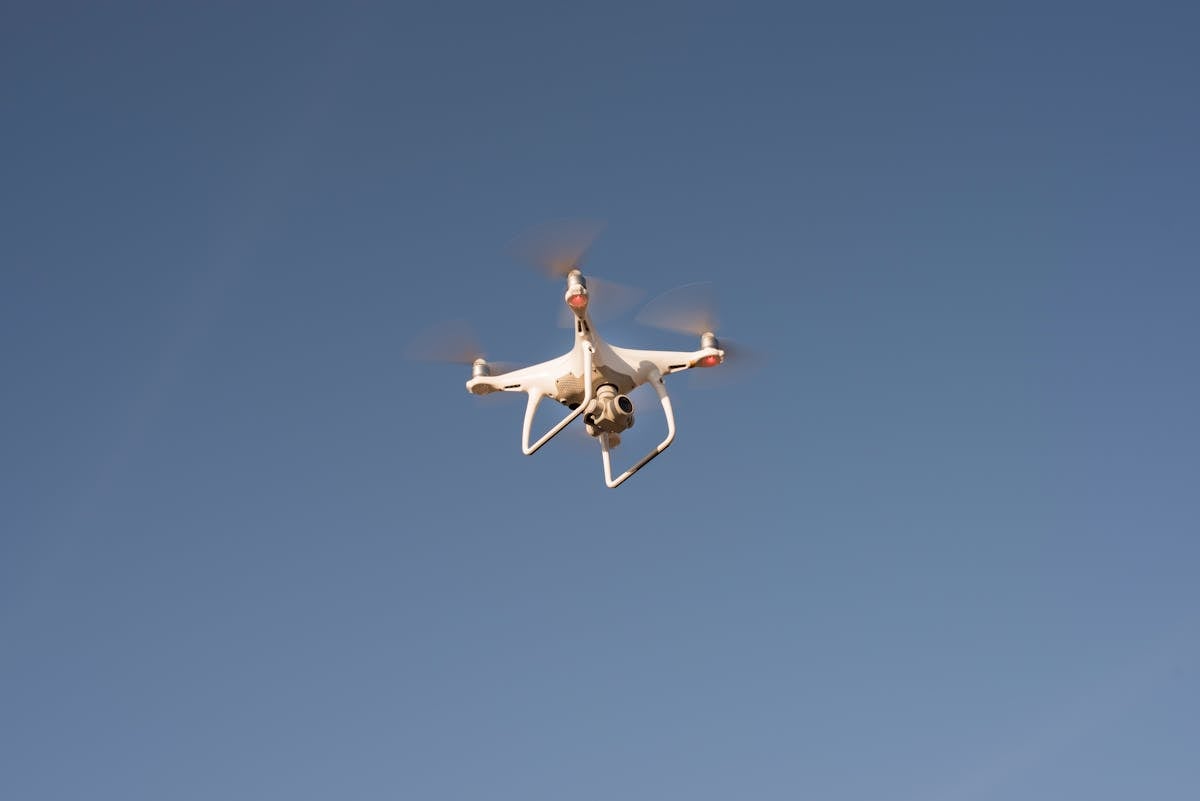
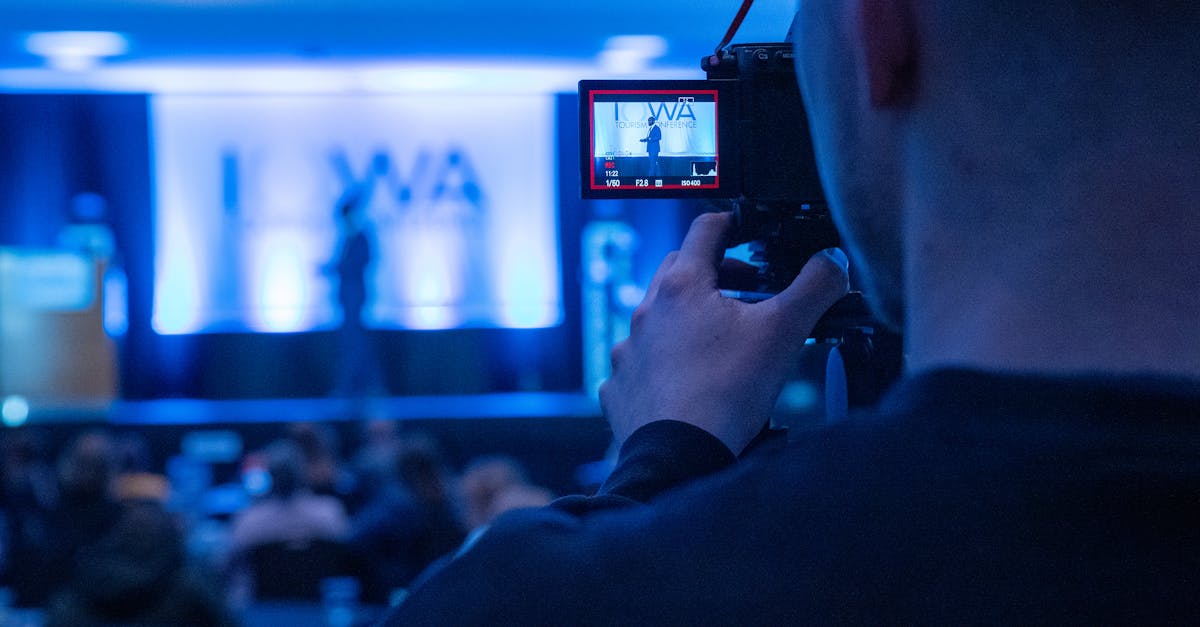
Drone Video Production: Professional Aerial Guide
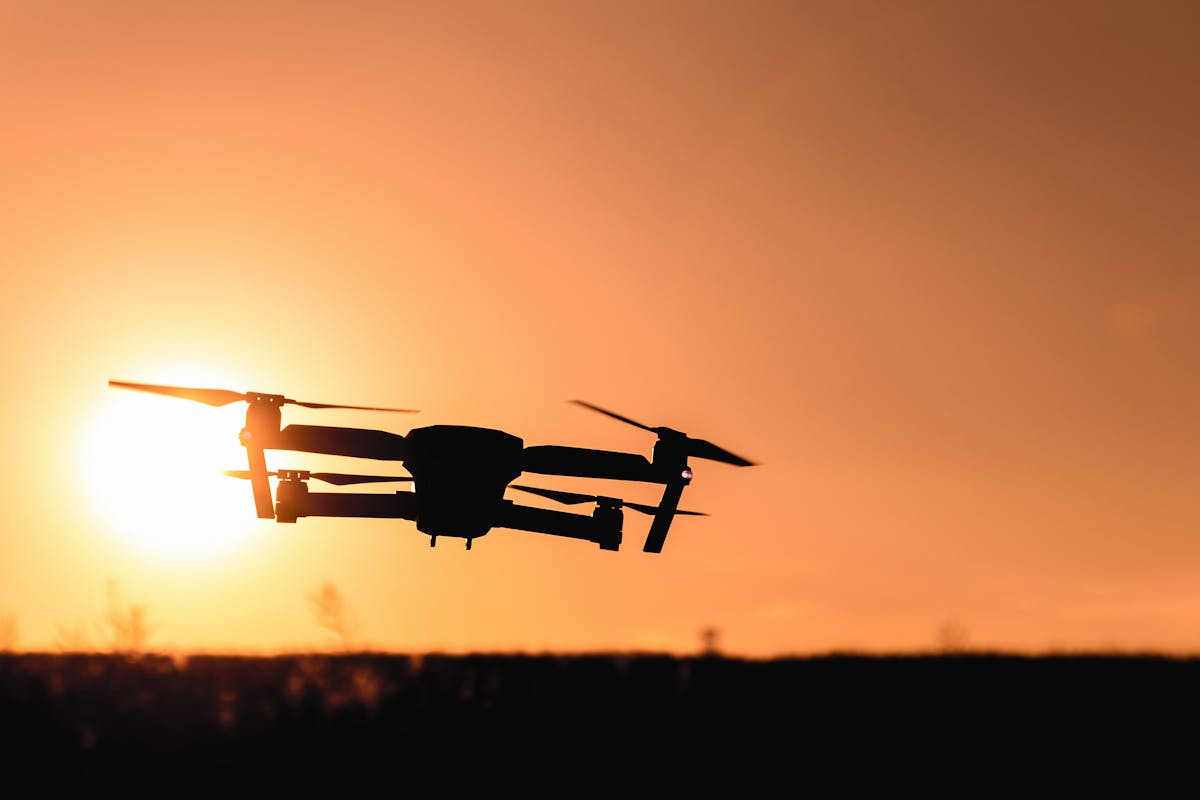 Photo by Pok Rie on Pexels
You have seen the footage. Sweeping aerial shots that open blockbuster films, drone footage showcasing luxury properties, and cinematic flyovers of corporate headquarters that make businesses look world-class. Drone video production has transformed how companies present themselves visually.
But commissioning professional aerial filming involves more than hiring someone with a drone. This guide covers everything you need to know about drone video production services in the UK, from understanding what is involved to making informed decisions about your project.
Quick Answer
Drone video production uses unmanned aerial vehicles (UAVs) equipped with cinema-grade cameras to capture footage from elevated perspectives. Professional services include pre-flight planning, CAA-compliant operations, skilled piloting, and post-production editing. Costs typically range from £500 for basic shoots to £5,000+ for complex multi-day productions. Always choose CAA-licensed operators with appropriate insurance coverage.
What Is Drone Video Production?
Drone video production is the process of capturing video footage using remotely piloted aircraft systems (RPAS). Unlike traditional aerial filming from helicopters, drones offer greater flexibility, lower costs, and the ability to operate in tighter spaces while maintaining cinema-quality results.
How It Differs from Helicopter Filming
| Aspect | Drone Filming | Helicopter Filming |
|---|---|---|
| Cost | £500-£5,000+ | £2,000-£15,000+ |
| Flexibility | High - tight spaces, low altitudes | Limited - minimum altitudes, larger turning radius |
| Noise | Minimal | Significant |
| Setup Time | 15-30 minutes | Hours to days |
| Crew Size | 1-2 people | 3+ people |
| Camera Quality | 4K-8K cinema cameras | 4K-8K cinema cameras |
Modern drones carry cameras matching or exceeding helicopter-mounted equipment quality. The DJI Inspire 3, commonly used in professional productions, shoots in 8K resolution with ProRes RAW codec support.
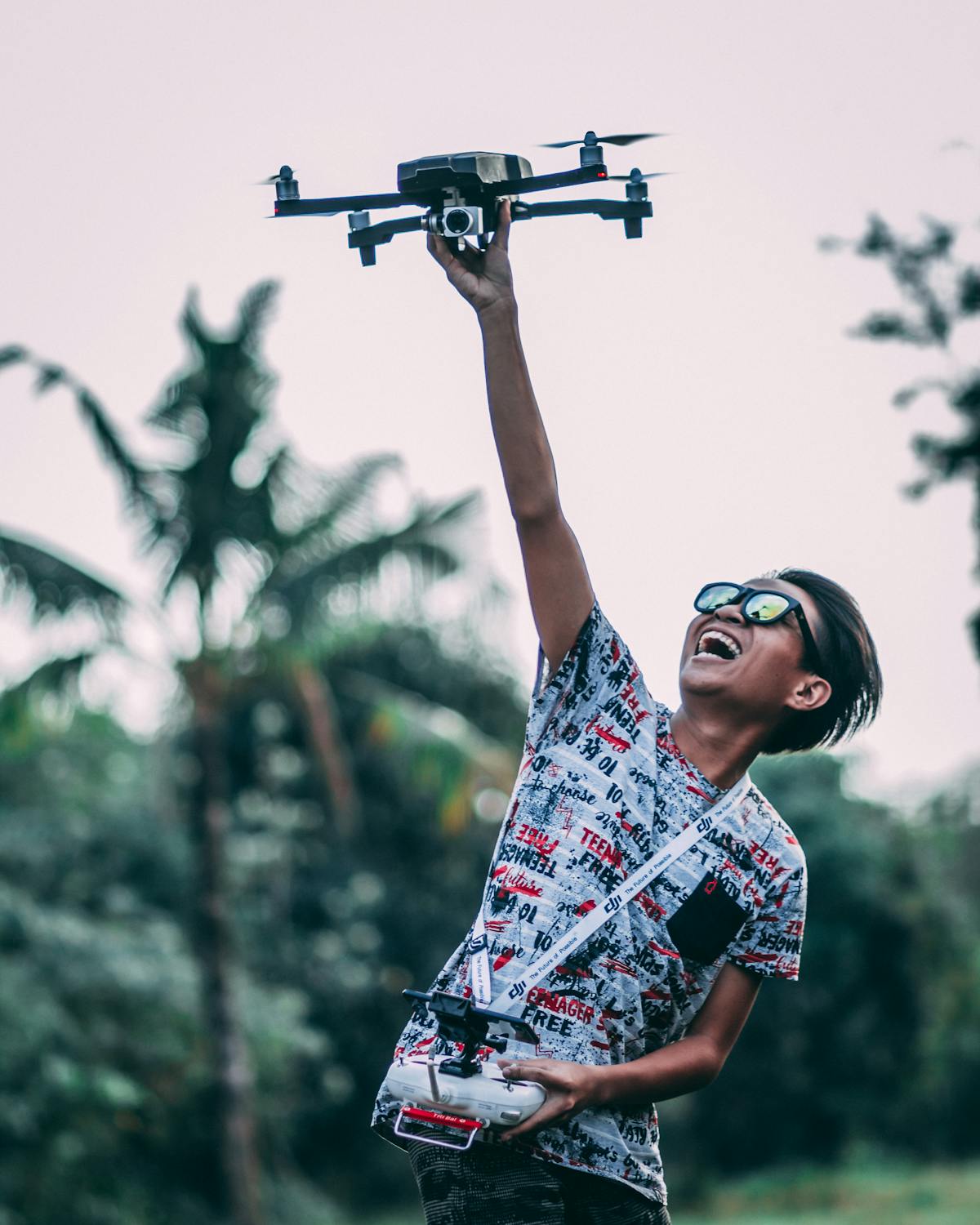 Photo by Jc Laurio on Pexels
Types of Drone Video Services
Corporate and Commercial Drone Filming
Corporate drone video captures your business from perspectives impossible to achieve from ground level. Common applications include:
- Headquarters and facility showcases - Establishing shots showing the scale and location of your operations
- Construction progress documentation - Regular aerial surveys tracking development milestones
- Industrial inspections - Safe visual assessment of structures, roofs, and infrastructure
- Corporate films - Opening sequences and transitional footage for brand videos
Corporate clients typically need half-day to full-day shoots, with costs ranging from £800 to £2,500 depending on complexity and location.
Property and Real Estate Aerial Video
The property sector has embraced drone footage as standard practice for high-value listings. Estate agents and developers use aerial video to:
- Show property boundaries and land extent
- Highlight surrounding amenities and transport links
- Create compelling marketing content for luxury listings
- Document development sites for investors
A typical property drone shoot takes 2-4 hours and costs between £300 and £800, delivering edited footage within 48-72 hours.
Event Aerial Coverage
Event filming benefits enormously from aerial perspectives. Drones capture:
- Festival and outdoor event scale
- Sporting events and races
- Wedding venues and celebrations
- Corporate conferences at striking locations
Event drone coverage requires additional planning for crowd safety and airspace coordination. Costs start from £600 for single-location events.
Cinematography for Film and Television
Broadcast-quality drone cinematography demands the highest production values. This includes:
- Drama and documentary production
- Music videos and advertising
- Television programmes
- Feature films
Productions at this level often require multi-pilot crews, specialist equipment, and extensive pre-production planning. Day rates typically start from £1,500 and can exceed £5,000 for complex sequences.
Benefits of Professional Drone Filming
Unique Visual Perspectives
Drones unlock camera angles previously requiring expensive helicopter hire or specialist cranes. Low-level tracking shots, reveal sequences, and dynamic movements add production value impossible to achieve otherwise.
Cost-Effective Production
What once required a £10,000+ helicopter charter can now be achieved for under £1,000. This cost reduction has democratised aerial footage, making cinema-quality shots accessible to businesses of all sizes.
Faster Deployment
A professional drone crew can be operational within 30 minutes of arrival. Compare this to helicopter shoots requiring advance booking, dedicated landing areas, and extensive safety protocols.
Minimal Site Disruption
Drones operate quietly and require minimal ground infrastructure. They can film during business hours without significantly disrupting operations, a crucial advantage for busy corporate locations.
 Photo by Vlad Alexandru Popa on Pexels
The Drone Video Production Process
1. Pre-Production Planning
Before any drone takes flight, professional operators conduct thorough planning:
Location reconnaissance - Understanding the site, identifying potential hazards, and planning flight paths
Airspace assessment - Checking for controlled airspace, flight restriction zones, and other air traffic
Risk assessment - Documenting hazards and mitigation measures as required by CAA regulations
Permissions and notifications - Securing necessary approvals from landowners, local authorities, and aviation authorities
2. Flight Operations
On shoot day, professional crews follow structured procedures:
- Equipment checks and calibration
- Safety briefings for all present
- Monitoring of weather conditions
- Coordination with ground-based camera crews if applicable
- Multiple takes and angles as required by the shot list
3. Post-Production
Raw drone footage requires professional editing to reach its potential:
- Colour grading to match ground footage and establish visual style
- Stabilisation for any remaining motion artefacts
- Speed ramping and smooth transitions
- Integration with wider video project
Quality post-production transforms good footage into exceptional content. Budget approximately 20-30% of your production cost for editing services.
Choosing a Drone Video Production Company
Essential Qualifications
CAA Operating Permission - Since January 2021, commercial drone operators must hold either a UK-specific operating permission or European equivalent recognition. Request to see documentation before booking.
Insurance Coverage - Professional operators carry Public Liability insurance of at least £1 million. For corporate and broadcast work, £5 million coverage is standard.
Pilot Credentials - Pilots should hold the appropriate qualification for the drone weight class being operated, with A2 Certificate of Competency for sub-25kg drones or a full GVC for more complex operations.
Questions to Ask Before Booking
- Can you provide your CAA registration and operating permission documentation?
- What insurance coverage do you carry, and can you provide a certificate?
- What equipment do you use, and what resolution/format does it capture?
- Do you conduct site risk assessments, and can I see a sample?
- What is included in the quoted price - just footage, or editing as well?
- How do you handle weather delays and rescheduling?
Red Flags to Avoid
- Operators unable to provide documentation when asked
- Unusually low prices that suggest corner-cutting on safety
- No mention of risk assessments or flight planning
- Pressure to fly in conditions or locations that seem unsafe
- Lack of professional portfolio demonstrating relevant experience
Drone Video Production Costs in the UK
Pricing Factors
Several elements influence drone filming costs:
Location complexity - Urban areas with airspace restrictions cost more than rural sites Duration - Half-day vs full-day rates Equipment requirements - Standard drones vs specialist cinema rigs Post-production - Raw footage delivery vs edited final product Travel - Distance from the operator's base Permissions - Sites requiring special authorisation add time and cost
Typical Price Ranges
| Service Type | Typical Cost | Includes |
|---|---|---|
| Basic property shoot | £300-500 | 2-3 hours, edited footage |
| Half-day corporate | £800-1,200 | 4 hours, raw footage |
| Full-day production | £1,500-2,500 | 8 hours, raw footage |
| Multi-day shoot | £1,200-2,000/day | Extended access, complex sequences |
| Broadcast/cinema | £2,500-5,000+ | Premium equipment, full crew |
These prices represent London and South East England averages. Regional pricing may vary.
 Photo by THIS IS ZUN on Pexels
CAA Regulations and Licensing
Understanding UK drone regulations is essential when commissioning aerial video.
Registration Requirements
All drones weighing 250g or more must be registered with the CAA. Operators receive an Operator ID and pilots receive a Flyer ID. Both must be current.
Flying Restrictions
Standard permissions allow flights:
- Up to 120 metres altitude (400 feet)
- Maintaining visual line of sight
- Away from Flight Restriction Zones around airports
- With appropriate separation from uninvolved people and congested areas
Restricted Areas
Drone flights are prohibited or restricted near:
- Airports and airfields (various restriction zones apply)
- Government buildings and military installations
- Prisons
- Major sporting events
- Emergency incident scenes
Professional operators know how to apply for special permissions when projects require flying in restricted areas.
Frequently Asked Questions
How far in advance should I book a drone video shoot?
For straightforward locations, 1-2 weeks notice is usually sufficient. Complex sites requiring special permissions may need 4-6 weeks. Broadcast and film productions should book several months ahead to secure crew availability.
What happens if the weather is bad on the scheduled day?
Professional operators include weather contingency in their terms. Most will reschedule at no additional cost if conditions prevent safe flying. Always confirm the specific policy before booking.
Can drones fly at night?
Night flying requires additional qualifications and permissions. It is possible but involves higher costs and longer planning timelines. Discuss night requirements early in the booking process.
Do I own the footage from a drone shoot?
Ownership and usage rights should be clearly stated in the contract. Most commercial arrangements transfer full rights to the client upon payment. Clarify this before signing any agreement.
How do drones handle wind?
Professional drones can typically operate in winds up to 30-40 mph, though footage quality decreases in strong wind. Experienced pilots will advise when conditions are marginal and may recommend rescheduling.
Is indoor drone filming possible?
Yes, with the right equipment and safety measures. Indoor flying uses smaller drones without GPS stabilisation, requiring specialist piloting skills. Costs are typically higher due to increased complexity.
Working with Airframe Media
Our drone filming services in London combine CAA-licensed operations with creative cinematography expertise. We operate across London and the South East, delivering aerial content for corporate films, property marketing, events, and broadcast productions.
Every shoot includes:
- Full pre-production planning and risk assessment
- CAA-compliant operations with £5 million insurance coverage
- 4K cinema-grade footage capture
- Post-production editing to your specification
- Quick turnaround - typically 48-72 hours for standard projects
Ready to add aerial perspectives to your next video project? Contact us for a free consultation and quote. We will discuss your requirements, recommend the best approach, and provide transparent pricing.
ABOUT THE AUTHOR
Video Production Team
Airframe Media is a London-based video production company operating since 2015. Our team has produced more than 500 corporate, commercial, and event films for UK businesses including Levy, Taylor Wimpey, and ExCeL London.
TAGS
Related Services
Ready to Bring Your Vision to Life?
Let's discuss how our video production services can elevate your brand