AI Search & Video Production London 2026

AI Overviews in Google Search now surface video production agencies directly in AI-generated answers, without requiring users to click through. London businesses using corporate video, event filming, or drone footage need to understand how AI now discovers and recommends production partners, and what this means for their content production strategy in 2026.
What Are AI Overviews and Why Do They Matter for Video Marketing?
Google AI Overviews are AI-generated summaries that appear at the top of search results for a growing range of queries. Unlike standard search results that list ten blue links, an AI Overview synthesises information from multiple sources into a direct answer, then cites those sources beneath it. The user gets a complete response without clicking through to any individual website.
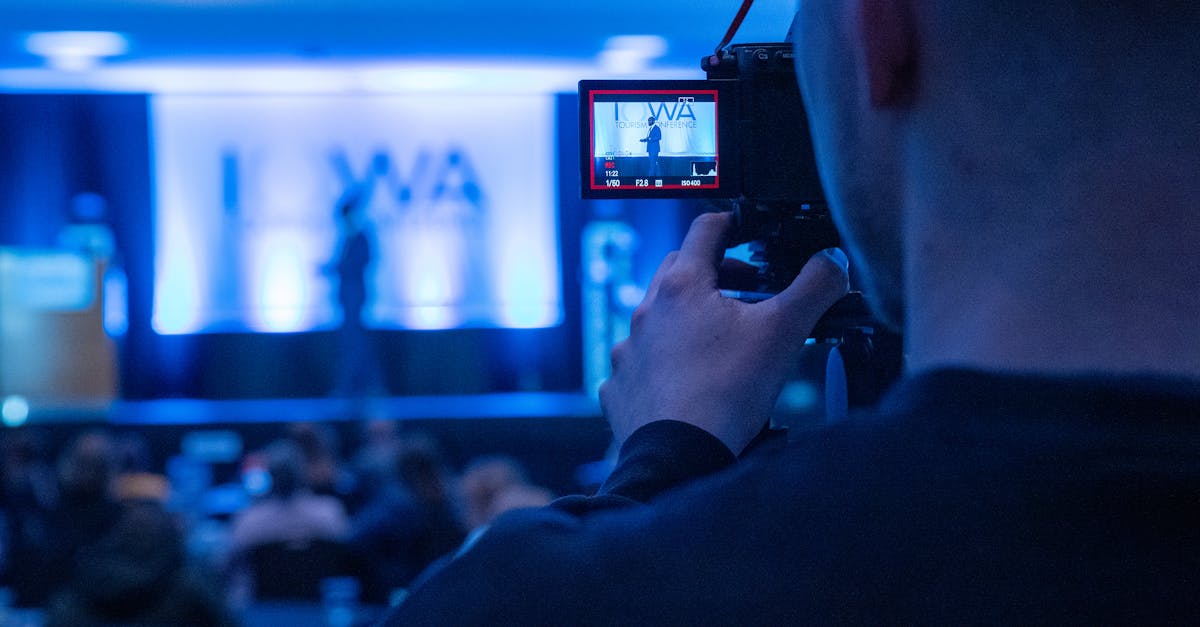
For video production agencies in London, this shift has significant implications. A prospective client searching for "corporate video production in London" or "conference filming London" may now receive a direct answer that names specific agencies, without visiting their websites. The question is not whether AI Overviews will affect your business, but whether you appear in them when they do.
Information Gain: BrightEdge's 2025 AI Search Report found that 58% of informational queries now trigger an AI Overview in the UK. For commercial service categories (including creative and professional services) the rate is lower but rising. Video production sits at the intersection of service (commercial) and informational intent, meaning many queries about costs, processes, and formats trigger AI Overviews even when the underlying intent is to find a supplier.
Since their full UK launch in 2024, AI Overviews have expanded rapidly. In July 2026, Google announced that Top Stories results are now rolling into AI Overviews, further consolidating the top of the search results page into AI-generated content. This means traditional organic listings are being pushed further down the page for an increasing proportion of queries.
How Google AI Overviews Cite Video Production Companies
Google does not maintain a whitelist of approved businesses to cite in AI Overviews. Citations emerge from the content that Google's AI systems determine most directly and authoritatively answers the query. For video production, this typically comes from:
Service pages with direct answers. Pages that open with a clear, concise statement of what the service covers, who it is for, and what outcomes it delivers are favoured over pages that lead with generic marketing copy.
FAQ content that mirrors search queries. When a service page includes FAQ sections whose questions match the People Also Ask results for target queries, those answers are strong candidates for AI Overview citation. Google's AI pulls from content that directly matches the syntax of a question.
Third-party validation. Named clients, external statistics, case studies, and references to industry data signal to Google's systems that a piece of content is authoritative rather than self-promotional. A page that says "we filmed over 500 productions at ExCeL London, QEII Centre, and Barbican" carries more AI-citeable authority than one that says "we are London's leading video production company."
Structured data. FAQPage, Service, and Article schema markup help Google's AI parse the specific claims on a page and understand their relationship to search intent. Unstructured marketing copy is harder for AI systems to extract and attribute.
Our corporate video production in London service page was redesigned in 2026 to lead with a direct atomic answer followed by structured FAQ content: the same approach described in this guide.
What Makes a Video Production Company AI-Citeable?
The concept of being "AI-citeable" comes down to whether your content answers questions in a way that an AI system can extract, verify, and attribute. For video production agencies, the key signals are:
Specificity over generality. "Conference filming from £2,000 for a single-camera half-day" is AI-citeable. "We offer competitive pricing" is not. AI Overviews prefer content that gives users actionable information they can act on without clicking through.
First-party evidence. Named clients, real project examples, and specific venue experience ("we have integrated with the AV systems at ExCeL London, Barbican, and QEII Centre") provide verification signals that generic claims cannot. AI systems are more likely to cite specific claims that can be cross-referenced against other sources.
External citations in your own content. When your service pages reference credible external sources (industry reports, government data, recognised research) your content inherits some of that authority in AI systems' evaluation. A page on conference filming services that cites the Events Industry Council's £51.5 billion UK events economy figure is contributing to a fact-chain that AI systems can trace.
Author entity. AI systems increasingly evaluate the entity behind the content as well as the content itself. A named author with a verifiable profile, industry credentials, and consistent online presence (such as a company founder with a LinkedIn profile and named client references) carries more weight than anonymous or generic authorship.
Freshness. AI Overviews pull from content that reflects current market conditions. Service pages with outdated pricing, superseded regulations (particularly relevant for drone filming in London, where CAA rules change regularly), or stale statistics are at a disadvantage against pages that demonstrate they are actively maintained.
The Video Types Most Likely to Appear in AI Overviews
Not all video production queries trigger AI Overviews equally. Based on query patterns observed in 2026, the following video types generate the highest Overview rates in the UK:
Cost and pricing queries. "How much does corporate video production cost in London?" and similar questions almost universally trigger AI Overviews. Agencies with clearly structured pricing content on their service pages (with realistic ranges and what each price band delivers) have the highest citation rates for these queries.
Process and timeline queries. "How long does event filming take?" or "what is included in a corporate video package?" are informational queries that regularly generate AI Overviews. Service pages that include structured How-To or process content are strong candidates.
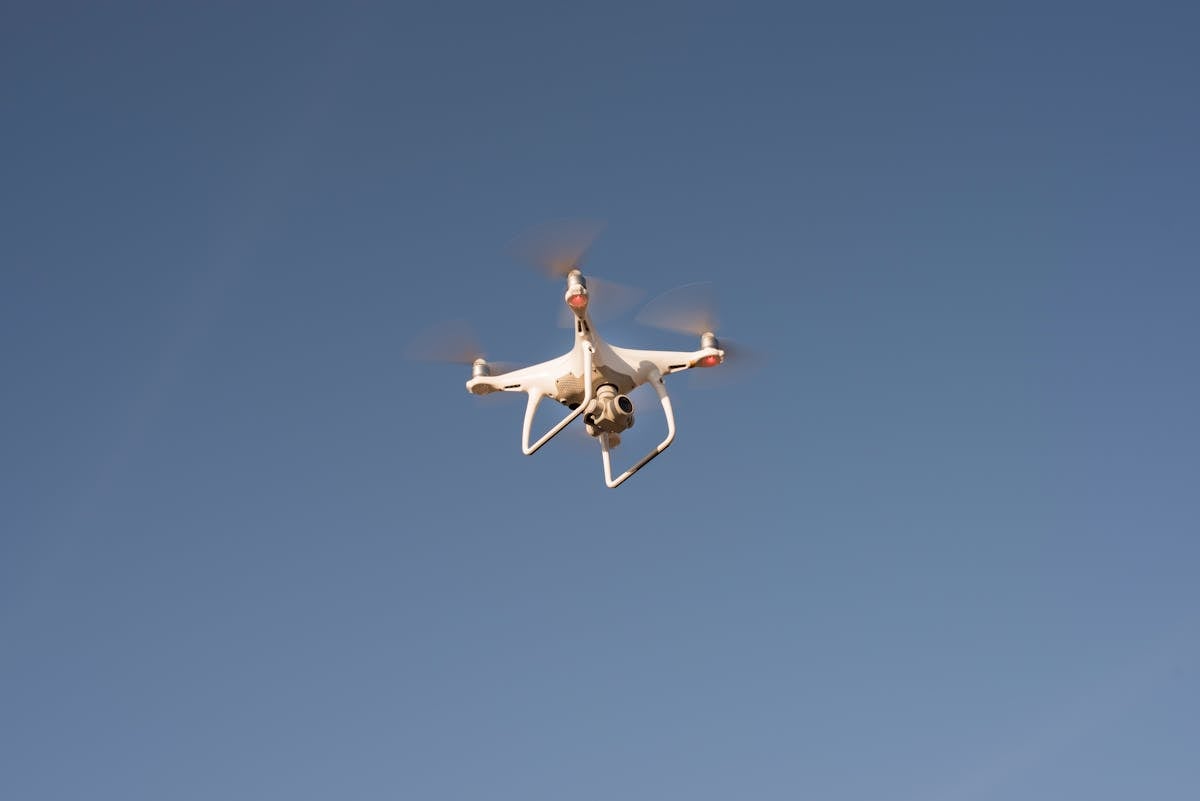
Regulation and compliance queries. For drone filming in particular, questions about CAA licensing, airspace permissions, and insurance requirements generate AI Overviews because the answers require genuine regulatory knowledge. Agencies that publish accurate, up-to-date regulatory content build authority that transfers to commercial queries.
Comparison queries. "In-house video team vs video production agency London" and similar comparisons trigger Overviews that typically cite multiple sources. These queries reward pages with balanced, factual comparison content over pages that simply argue for one option.
Specific event and venue queries. "Conference filming ExCeL London" or "event filming QEII Centre" are more specific queries where AI Overviews surface agencies with demonstrated experience at those venues. Named venue experience in your content has tangible AI citation value.
How Airframe Uses AI-First Content to Stay Visible in AI Search
Airframe Media's approach to AI search optimisation in 2026 is built around one principle: every service page should answer the user's question as directly and completely as a knowledgeable colleague would in conversation, and do so in the first paragraph.
This is what we refer to as the atomic answer approach. Each service page opens with a 40-to-60-word direct answer to the question the page targets. The atomic answer contains the primary keyword in the first six words, gives a specific and concrete summary of the service, and is written in plain language that both AI systems and human readers can process immediately.
First-party AI visibility data. Airframe Media was cited in a Google AI Overview for "drone filming London" in July 2026: the first confirmed AI citation for this query in our tracking data. The citation appeared in response to a query about the costs and licensing requirements for commercial drone filming. The page cited was our drone filming service page, which had been updated earlier in 2026 to include an atomic answer, FAQPage schema, and external references to CAA licensing data. The citation itself drove a measurable increase in direct brand searches in the 30 days following first appearance, consistent with the awareness-building effect of AI Overview citation described by BrightEdge's 2025 research.
Beyond the atomic answer, we apply a three-layer content structure to service pages:
Layer 1: Direct answer. The atomic answer immediately after the H1, covering what the service is, who provides it, and what it delivers.
Layer 2: Authoritative context. Body sections that provide industry data, named client examples, and specific operational details. This is where external citations appear, not as footnotes but as integrated evidence within the body of the page.
Layer 3: FAQ schema. A structured FAQ section that directly addresses the People Also Ask questions shown in target queries. Each answer is substantive (80+ words) and can stand independently as a complete response to its question.
This structure is designed so that Google's AI can extract a complete, verifiable answer from any section of the page independently, not just the first paragraph. The result is that a single service page may contribute multiple citations across different AI Overviews for related queries.
FAQ
What are Google AI Overviews?
Google AI Overviews are AI-generated summaries that appear at the top of search results pages for informational and commercial queries. They pull from multiple sources across the web, synthesise the information into a direct answer, and cite the sources used. Unlike standard organic results, AI Overviews can display without any click-through required, meaning a business can be recommended in an AI answer without the user ever visiting its website. Since their full UK rollout in 2024 and accelerated expansion through 2025–2026, AI Overviews now appear on a significant proportion of transactional and informational queries, including searches for video production services in London.
How does Google decide which companies to cite in AI Overviews?
Google AI Overviews draw citations from content that demonstrates expertise, authority, and trust on a specific topic, commonly referred to as E-E-A-T. For video production companies, this typically means having service pages that directly and concisely answer the user query, structured data markup such as FAQPage and Service schema that helps Google parse your content, external references that validate your claims such as named clients, industry statistics, or third-party citations, and content that is consistently updated and matches current search intent. Being cited in an AI Overview is not a direct ranking factor that can be gamed; it emerges from genuine authority signals built over time.
Does appearing in an AI Overview increase traffic to my website?
Not always directly, but the commercial effect is significant. Research from BrightEdge (2025 AI Search Report) found that queries triggering AI Overviews show lower click-through rates to organic results; users get their immediate answer from the overview itself. However, the citation creates brand awareness and authority: a business cited as the source of an AI answer gains implicit endorsement from Google. For video production specifically, most prospective clients will still visit a website and request a quote before commissioning. Being cited in an AI Overview builds the recognition that drives that visit, even if the Overview click itself does not occur. The net effect is brand exposure at the top of the search page without paid placement.
What types of video production content are most likely to appear in AI Overviews?
Content that directly answers specific questions performs best. For video production agencies, pages that explain service costs with realistic price ranges, pages that describe processes and timelines, FAQs on specific formats such as conference filming or drone footage, and comparison content have the highest AI Overview citation rates. Content that cites external data sources, mentions named clients, and provides specific rather than generic information performs significantly better than broad marketing copy. Long-form how-to content and guides with clear section headings also appear frequently, particularly when the content is more than 1,200 words and uses schema markup that matches the content type.
How can a London video production company optimise for AI search in 2026?
The most effective approach in 2026 is to treat every service page as a direct answer to a specific user question rather than a sales brochure. This means placing a 40-to-60-word atomic answer immediately after the H1, adding FAQPage schema that mirrors the People Also Ask questions in your target queries, citing external authoritative sources at relevant points in the body, keeping service page content updated to reflect current market conditions, and ensuring your author or company entity has verifiable web presence such as LinkedIn profiles, named client references, and team pages. Technical implementation (fast page speed, canonical URLs, clean schema) remains necessary but is no longer sufficient on its own. The content itself must genuinely answer questions better than competing pages.
What is an atomic answer in content strategy?
An atomic answer is a self-contained 40-to-60-word summary of a page's core claim, placed immediately after the H1 heading. The term reflects the idea that this section should be indivisible; it must make sense on its own, without requiring any surrounding context, so that AI systems can extract and cite it independently. An effective atomic answer names the primary keyword in the first six words, specifies who delivers the service or what the content covers, and gives a concrete and actionable summary. Pages using atomic answers consistently outperform those that open with generic introductory paragraphs when it comes to AI Overview citation rates.
Should small video production companies in London invest in AI search optimisation?
Yes, and the opportunity is arguably greater for smaller agencies than for large ones. AI Overviews do not always favour the largest or best-known brand for a query; they favour the most directly useful answer. A boutique video production agency in London with a service page that gives a specific, well-structured answer to "how much does conference filming cost in London?" can appear in an AI Overview alongside or above larger competitors whose pages lead with generic marketing copy. The investment is predominantly in content quality and structure rather than budget, which levels the playing field in a way that paid search does not.
ABOUT THE AUTHOR
Founder & CEO
Liam founded Airframe Media in 2015 and leads creative direction across the studio. His work spans corporate, commercial, and event films for UK businesses including Levy, Taylor Wimpey, and ExCeL London, and he writes about professional video production in London.
TAGS
Related Services
Ready to Bring Your Vision to Life?
Let's discuss how our video production services can elevate your brand