Training Video Production: Complete Guide from Brief to Final Cut
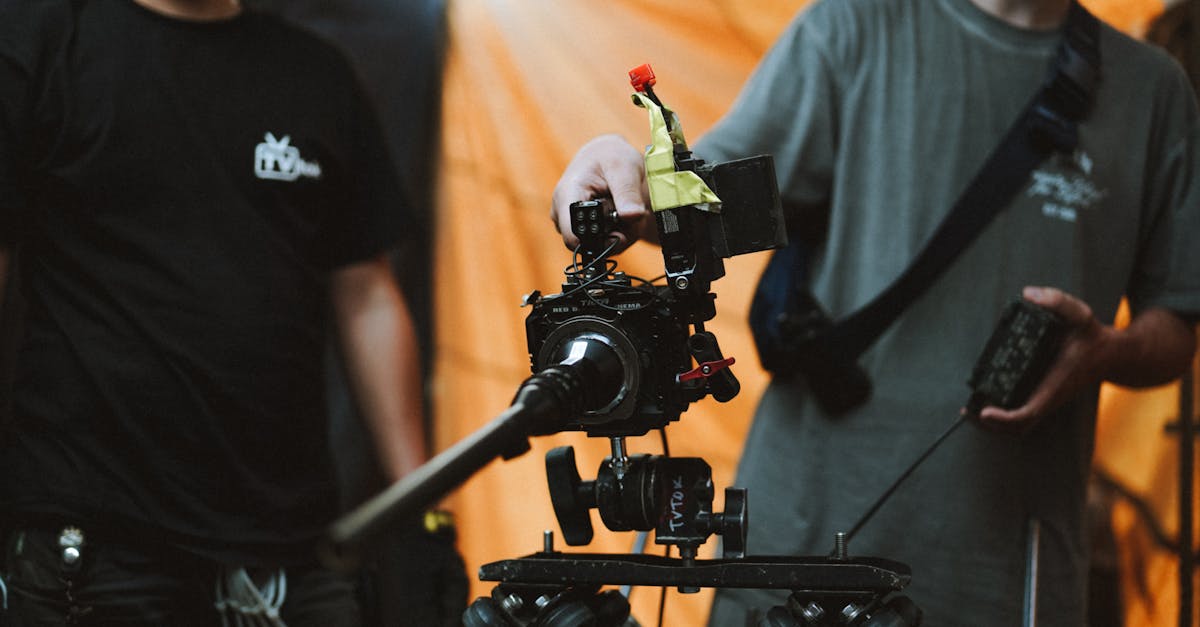
 Photo by Henri Mathieu-Saint-Laurent on Pexels
Professional training videos reduce onboarding time, ensure consistency, and scale your expertise across your organisation. If you're considering corporate training video production for your business, this complete guide covers everything from costs and timelines to best practices for 2026. As a leading training video production company in London, we've helped organisations across the UK build effective video training libraries.
Quick answer: Effective training videos should be modular (5-10 minute segments), scenario-based, and include interactive elements. London training video production typically costs £2,500-£8,000 per video, with package deals for series. Start with your highest-impact topic - usually onboarding or compliance - and build from there. Need help planning your project? Start with our video production brief template.
Why Training Videos Are Worth the Investment
 Photo by Artem Podrez on Pexels
Before diving into the production process, let's address the fundamental question: why invest in professional training videos when you could deliver training in person or through text-based materials?
Consistency at Scale
When you train employees in person, quality varies depending on the trainer, their energy that day, and time constraints. Video ensures every learner receives the same high-quality instruction, whether they're the first hire or the thousandth.
Cost Efficiency Over Time
The maths is straightforward. If you spend £5,000 on a training video that replaces a session you'd otherwise run 50 times (at £500 in trainer time and materials each time), that's a £20,000 saving. Most training videos pay for themselves within the first year.
On-Demand Accessibility
Remote teams, flexible working, and global operations mean synchronous training isn't always practical. Video allows employees to learn when it suits them, pause when they need to, and revisit content whenever they need a refresher.
Improved Retention
Research consistently shows that visual learning improves knowledge retention by 65% compared to text alone. When you combine demonstration, explanation, and on-screen text, learners absorb more and remember it longer.
Types of Training Videos
Not all training videos serve the same purpose. Here are the main categories we produce for UK businesses:
Onboarding Videos
These introduce new employees to your organisation - company culture, values, key processes, and essential systems. A good onboarding video series reduces time-to-productivity and helps new starters feel welcomed.
Typical components:
- Welcome from leadership
- Company history and mission
- Office tour or remote working setup
- Key systems walkthrough
- Who's who in the organisation
Compliance Training
Health and safety, GDPR, anti-harassment policies, industry-specific regulations - compliance training protects your organisation and your people. Video makes mandatory training more engaging than clicking through slides.
Benefits:
- Consistent delivery of critical information
- Trackable completion for audit purposes
- Updated easily when regulations change
- Available for refresher training
Skills Training
 Photo by Pavel Danilyuk on Pexels
Software tutorials, process demonstrations, best practice guides - skills training videos capture expert knowledge and make it accessible to everyone. These are particularly valuable when you have specialist knowledge that only a few people hold.
Leadership Development
Management techniques, communication skills, conflict resolution - leadership training videos can reach every manager in your organisation, not just those who can attend a workshop.
Product Knowledge
For sales teams, customer service staff, and anyone client-facing, product knowledge videos ensure everyone can speak confidently about what you offer. These can include technical specifications, use cases, and handling objections.
How Much Does Training Video Production Cost?
Training video costs in the UK vary significantly based on production values and complexity. Here's what to expect:
Entry Level: £500-£1,500
Screen recordings with voiceover, basic graphics, minimal on-camera content. Suitable for internal software tutorials or quick process walkthroughs.
Standard Production: £2,500-£5,000
Presenter-led content with professional filming, graphics, and editing. This is what most businesses need for onboarding, compliance, and skills training.
Premium Production: £5,000-£8,000
Scenario-based videos with actors, multiple locations, advanced graphics, and interactive elements. Best for customer-facing training or high-stakes compliance content.
Series Packages
For organisations building a training library, we offer package pricing. Producing 5-10 videos together reduces per-video costs by 20-30% compared to commissioning them individually. For a broader view of corporate video production costs in London, our pricing guide covers all video types.
Cost Per Learner Calculation
Here's how to assess ROI: If a training video costs £4,000 and will be viewed by 500 employees over two years, that's £8 per learner - far less than equivalent in-person training time.
The Training Video Production Process
At Airframe Media, we follow a structured process designed specifically for training content:
1. Learning Objectives Workshop
Before any creative work begins, we need to understand what learners should know or do differently after watching. This isn't just "what do you want to say" but "what should viewers be able to do?"
We work with your subject matter experts and L&D team to define:
- Specific learning outcomes
- Knowledge gaps the video addresses
- How success will be measured
2. Instructional Design
Training videos require different scripting than promotional content. We structure scripts using proven learning principles:
- Clear objectives stated upfront
- Information chunked into digestible sections
- Examples and demonstrations for complex concepts
- Knowledge checks or recap points
- Summary of key takeaways
3. Pre-Production
Once the script is approved, we plan the shoot:
- Location scouting (your offices or our studio)
- Presenter selection (your team or professional)
- Graphics and animation planning
- Equipment and crew requirements
- Schedule that minimises disruption
For a step-by-step breakdown, use our corporate video pre-production planning checklist to ensure nothing gets missed.
4. Production
Filming day is carefully choreographed to capture everything efficiently:
- Interview-style presenter segments
- Demonstration footage
- Screen recordings if needed
- Cutaway shots for editing flexibility
5. Post-Production
 Photo by MART PRODUCTION on Pexels
This is where everything comes together:
- Editing for engagement and pacing
- Graphics and text overlays
- Chaptering for easy navigation
- Accessibility features (captions, transcripts)
- Brand consistency checks
6. LMS Integration
We deliver in formats compatible with your learning management system, including SCORM packages if required for tracking. We can also help set up analytics to monitor engagement.
7 Best Practices for Training Videos
Based on producing hundreds of training videos, here's what works:
1. Keep Modules Short
Aim for 5-10 minutes per video. If a topic needs more time, split it into a series. Attention drops significantly after 6 minutes.
2. Use Real Workplace Scenarios
Abstract explanations are less effective than showing real situations. "Here's what this looks like in practice" beats "here's the theory."
3. Include Knowledge Checks
Even simple recap questions keep learners engaged and reinforce key points.
4. Make Content Searchable
Chapter markers and clear titles help employees find specific information when they need it later.
5. Design for Mobile Viewing
Many employees will watch on phones or tablets. Ensure text is readable and audio is clear without headphones.
6. Add Interactive Elements
Where your LMS supports it, include clickable elements, branching scenarios, or embedded quizzes.
7. Plan for Updates
Build flexibility into your production. Modular designs mean only affected sections need re-recording when content changes.
Training Video Trends for 2026
The training video landscape continues to evolve. Here's what forward-thinking organisations are investing in this year:
AI-Enhanced Learning Paths
Modern training videos can be paired with AI-driven learning platforms that adapt content delivery based on viewer engagement and quiz performance. This personalised approach improves completion rates and knowledge retention.
Micro-Learning Video Series
Rather than 30-minute training sessions, organisations are shifting to 2-3 minute micro-learning clips. These bite-sized videos are easier to fit into busy schedules and show higher completion rates.
Interactive Video
Platforms like Vimeo Interactive and H5P enable branching scenarios where viewers make decisions that affect the training path. This is particularly effective for compliance and customer service training.
DIY vs Professional Training Videos
Not every training video needs full production. Here's when each approach makes sense:
When DIY Works
- Internal software tutorials using screen recording
- Quick process updates for small teams
- Informal knowledge sharing between colleagues
- Content that will change frequently
When to Go Professional
- Content that represents your brand to clients or customers
- Compliance training requiring formal sign-off
- High-stakes content where clarity is critical
- Training that will be used for years across large teams
- Onboarding that shapes first impressions
Hybrid Approach
Some organisations commission professional templates and frameworks, then produce routine updates in-house. This balances quality with cost efficiency.
FAQs About Training Video Production
How long should training videos be?
Keep individual modules to 5-10 minutes. For longer topics, break content into a series. Attention drops significantly after 6 minutes according to learning research. A 30-minute training programme works better as 4-5 short modules than one long video.
Can we use our own employees as presenters?
Yes - and it often works better than hiring actors. Subject matter experts add authenticity that viewers recognise. We provide coaching to help non-actors feel comfortable on camera, including teleprompter support for longer scripts.
How do we update training videos when content changes?
Build updates into your planning from the start. For frequently changing content, use modular designs where only affected sections need re-recording. Graphics and text overlays are easier to update than filmed content. Some clients maintain a small annual update budget.
What format do training videos need for our LMS?
Most learning management systems accept standard MP4 files. If you need SCORM compliance for completion tracking, we can package content accordingly. We'll confirm your specific requirements during discovery.
How do we measure training video effectiveness?
Track completion rates, quiz scores, and time to competency. Compare these metrics to previous training methods. Many clients see 40-60% reduction in training time. Your LMS analytics will show who's engaging and where they're dropping off.
How much does corporate training video production cost?
Corporate training video production in London typically ranges from £500 for basic screen recordings to £8,000+ for premium scenario-based content. Most businesses invest £2,500-£5,000 per video for professional presenter-led content with graphics and editing. Series packages of 5-10 videos reduce costs by 20-30%. For a broader overview of video production pricing, see our video production FAQ.
Why Choose Airframe Media for Training Videos
We understand that training videos serve a different purpose than promotional content. Your goal isn't to entertain - it's to ensure your people have the knowledge they need to do their jobs effectively.
Our approach combines:
- Learning design expertise - Content structured for retention, not just information delivery
- London-based production team - We can film at your offices or our studio
- LMS integration experience - Formats that work with your existing systems
- Series pricing - Build a training library cost-effectively
- Ongoing support - Update packages for evolving content
Ready to discuss your training video project? Get in touch for a no-obligation conversation about your requirements.
Looking for other types of corporate video? Read our guide to corporate video production in London, check our video production FAQ, or learn about animation for business explainers.
TAGS
Related Services
Ready to Bring Your Vision to Life?
Let's discuss how our video production services can elevate your brand