Case Study Video Production London Guide
A case-study video explains a client's starting point, the work completed and the change that followed. A credible film combines an approved interview with relevant footage and evidence the client permits you to publish. Before production, agree the audience, claims, contributors, usage, review stages and delivery versions. The quote should record the crew, locations, schedule and post-production needed for that plan.
What a case-study video needs to prove
A useful case study gives a prospective buyer three connected pieces of information: where the featured client started, what work was commissioned and what changed afterwards. The interview provides the human account. Supporting footage and approved evidence show the context around it.
Specific outcomes should enter the film only when the featured client can verify them and approves their publication. If an outcome cannot be substantiated, the story can still explain the brief, the approach and the client's experience without turning an assumption into a public claim.
Case study versus testimonial
| Decision point | Case-study video | Testimonial video |
|---|---|---|
| Purpose | Explain the starting point, commissioned work and verified change | Capture a contributor's first-hand opinion or experience |
| Evidence | Approved claims, relevant context and supporting material | The contributor's attributable account |
| Contributors | May include the client, delivery team and other informed stakeholders | Usually one or more customers or service users |
| Supporting footage | Shows the organisation, work, environment or result being discussed | Supports the interview without needing a complete project narrative |
| Typical buyer use | Supplier evaluation, sales follow-up, presentations and detailed project pages | Service pages, campaigns, sales follow-up and trust building |
| Approval complexity | Usually includes evidence, company and contributor approval | Usually includes contributor consent, company approval and usage clearance |
A production may combine both formats. The distinction is the job the finished film must do. A testimonial centres on opinion. A case study adds a structured account of the work and any change the client permits the commissioning team to publish.
Choose the right client story
Choose a story because it is relevant to the intended audience, not simply because the relationship is positive. The strongest candidate has a clear starting point, a meaningful piece of work, a contributor who can explain the experience and an organisation willing to approve publication.
Before approaching a contributor, check:
- whether their role and experience will make sense to the intended viewer;
- whether the commissioned work can be shown or explained clearly;
- whether any proposed result has a traceable source;
- whether the contributor and organisation can complete the approval process;
- whether the likely filming environment can support the interview and relevant footage.
Not every satisfied client is suitable. A willing contributor without permission to publish, or an impressive outcome without usable evidence, creates avoidable risk later in production.
Permissions and claim approval
Agree the approval route before interview questions are written. Personal consent from the contributor and permission from the organisation are related but separate requirements. The commissioning team should also identify the person responsible for brand, legal, regulatory or factual review where applicable.
The plan should record intended channels, any territory or campaign term, paid-media use where relevant and the people authorised to approve the edit. Every number, outcome or comparison needs an evidence owner. Regulated or sensitive organisations should use their own legal or compliance owner to confirm what can be stated publicly.
What to clear before filming
- the contributor's permission to appear and the organisation's authority to approve publication
- the exact wording and evidence behind any number, outcome or comparison
- the person responsible for legal, regulatory or brand review
- intended channels, territories, campaign term and paid-media use where relevant
- permission for locations, logos, documents, interfaces, music and third-party material
- accessibility, caption, aspect-ratio and delivery requirements
- the named people who can approve the edit and the date their feedback is needed
Production breakdown
Brief and evidence
Agree the audience, client story, intended claims, supporting evidence, usage and approval owners before interview questions are written.
Interview preparation
Use a pre-interview to understand the contributor's experience and identify what can be stated publicly. Share topics as prompts rather than scripting praise.
Filming
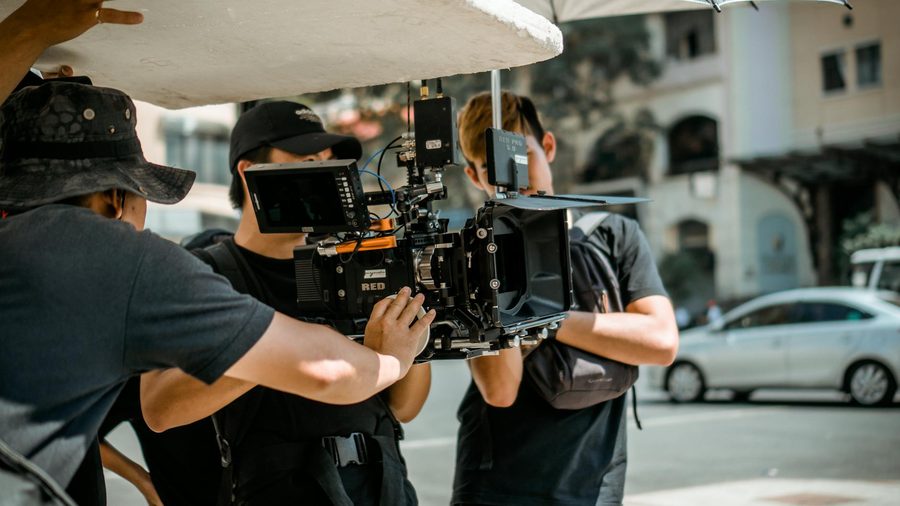
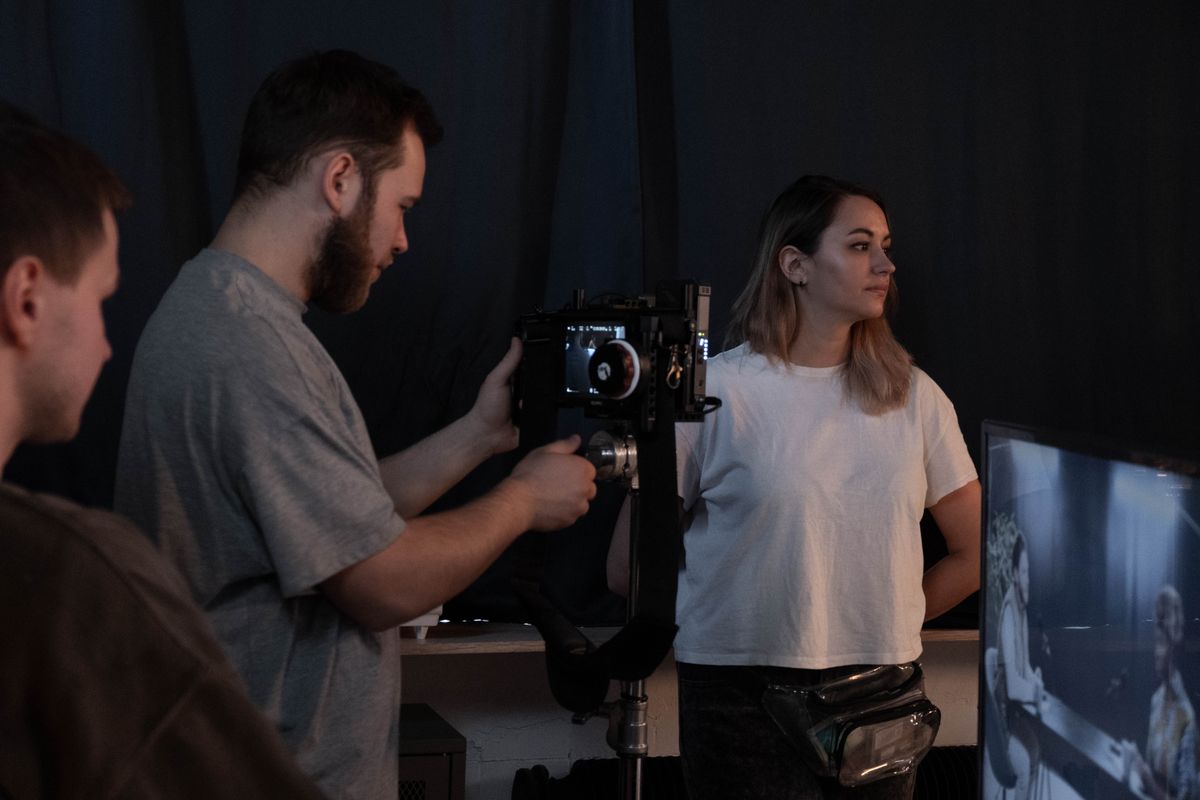
Record the interview and the footage needed to show the organisation, work or environment being discussed. Location, access, sound and contributor time are planned before the date is confirmed.
Edit and delivery
Build the approved story, add only substantiated claims and prepare the versions listed in the quote. Review stages include the commissioning team and any featured client approver named in the plan.
Case-study video cost drivers
The quote should follow the production plan rather than a generic package. The main variables are the number of contributors, locations and filming days; access and travel requirements; the supporting footage or graphics needed; the review stages; and the number of delivery versions.
A single interview in one accessible location has a different production shape from a multi-site film with several approvers. Delivery timing can also affect the schedule when the film must support a launch, event or campaign date.
Request Airframe's current rate card for role-level pricing. For a complete project figure, send the team your brief with the intended audience, contributors, locations, dates, approval owners and required versions.
Where the finished story will be used
Plan distribution before filming so the interview and supporting footage can serve the agreed outputs. A main website film may need a different opening from a version used in sales follow-up or a presentation. Social extracts, captioned versions and alternative aspect ratios should be listed as deliverables when they are required.
Common placements include:
- a relevant service or case-study page;
- sales follow-up for buyers with a similar brief;
- presentations, proposals and event screens;
- campaign landing pages and approved social extracts;
- internal advocacy or stakeholder communications.
Each version should have a clear audience and use. Treating every possible cut as an automatic output makes approval and delivery harder to control.
Choosing a case-study video production company
Look beyond a general showreel. Ask how the team prepares contributors, identifies evidence, plans supporting footage and coordinates approval between the commissioning organisation and the featured client.
A useful production conversation should establish:
- who the film needs to influence;
- what the featured contributor can explain first hand;
- which claims need evidence and approval;
- what the viewer needs to see as well as hear;
- who consolidates feedback and clears publication;
- which finished versions are included in the quote.
The production company should be able to turn those decisions into a clear brief, filming plan and delivery scope without scripting praise or inventing a result.
Frequently asked questions
What is the difference between a case-study video and a testimonial video?
A testimonial centres on a client's opinion of the experience. A case-study video adds a structured account of the starting point, the work completed and the change that followed. It normally needs supporting footage and a clearer evidence and approval trail. A production can contain both elements, but the public claims still need to be approved.
What should we prepare before requesting a quote?
Share the audience, intended use, proposed client or contributor, filming locations, preferred dates and required versions. Identify any result you want to mention and who can verify it. Airframe can then scope the interview, crew, supporting footage, review stages and delivery requirements.
How much does a case-study video cost in London?
Cost depends on contributors, locations, filming days, access, supporting footage, graphics, review stages, versions and turnaround. Request Airframe's current rate card for role-level pricing. A project quote records the complete scope and any third-party costs before work begins.
How should a client be prepared for the interview?
Hold a pre-interview to understand the contributor's experience, identify sensitive points and confirm what can be stated publicly. Share topics in advance as prompts rather than writing a praise script. On the filming day, allow enough time for setup and a conversational interview.
What permissions are needed?
Confirm permission from the person appearing and from the organisation responsible for publication. Agree where the film may be used, who approves the edit and what evidence supports any outcome claim. Regulated or sensitive organisations should nominate their own legal or compliance reviewer.
Can a case-study video be filmed at the client's office?
Yes, if the client and building permit it and the space works for the interview and supporting footage. Airframe reviews access, noise, available space, visual context and any venue requirements before confirming the production plan.
ABOUT THE AUTHOR
Founder & CEO
Liam founded Airframe Media in 2015 and leads creative direction across the studio. His work spans corporate, commercial, and event films for UK businesses including Levy, Taylor Wimpey, and ExCeL London, and he writes about professional video production in London.