Types of Corporate Videos: Which One Does Your Business Need?
Not sure which type of corporate video your business needs? There are seven main formats, each designed for specific business objectives. This guide breaks down every type, explains when to use each, and helps you choose the right one for your goals.
Quick Answer
Corporate videos fall into seven categories: promotional videos for brand awareness, explainer videos for complex products, testimonial videos for social proof, training videos for internal education, event videos for documentation, company culture videos for recruitment, and product videos for e-commerce. The right choice depends on your primary objective - whether that's attracting customers, educating staff, or building your employer brand.
The 7 Types of Corporate Videos Explained
Every successful video starts with understanding what you're trying to achieve. Here's how each type serves different business goals.
1. Promotional Videos (Brand Videos)
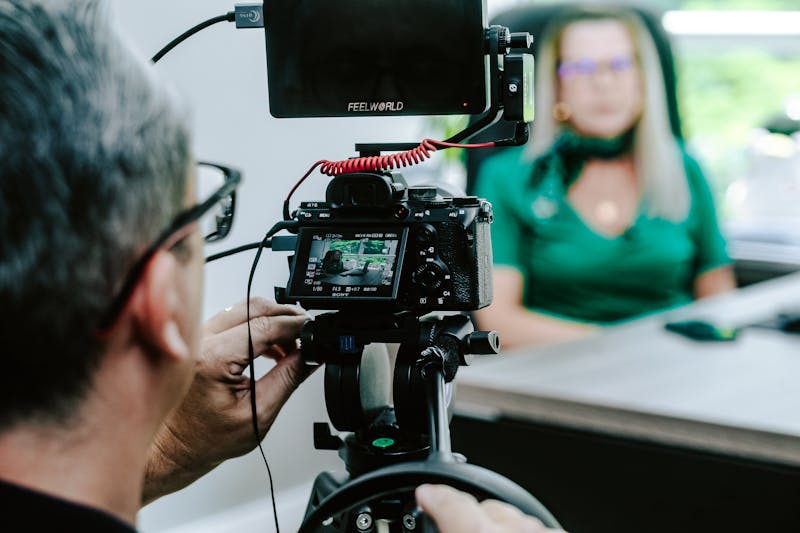 Photo by Paloma Clarice on Pexels
Promotional videos are your brand's calling card. They capture your company's essence in 60-90 seconds, designed to generate interest and drive action.
Best for:
- Website homepages and landing pages
- Social media advertising campaigns
- Trade show displays and presentations
- Sales team outreach
What makes them work: The best promotional videos lead with your value proposition, not your logo. Viewers decide within 5 seconds whether to keep watching. Start with the problem you solve, show the transformation you create, and end with a clear call to action. If you're weighing where promotional video sits against other channels, our comparison of corporate video vs traditional advertising covers the budget-allocation case in detail.
Typical length: 60-90 seconds for primary use; 15-30 second cuts for social advertising
Investment: For professional promotional video production in London, expect to invest between £3,000 and £10,000 depending on complexity, locations, and talent requirements.
2. Explainer Videos
Explainer videos translate complex products, services, or processes into simple, engaging content. They're particularly valuable for businesses with technical offerings or multi-step services.
Best for:
- SaaS and technology companies
- Financial services and fintech
- Healthcare and pharmaceutical
- Any business with a complex value proposition
Animation vs live-action: Animation works brilliantly for abstract concepts and software demonstrations. Live-action builds trust and works better when human connection matters. Many explainer videos combine both approaches.
Typical length: 90 seconds to 2 minutes. Longer videos see significant drop-off in viewer retention.
We've created explainer videos for businesses across London - see our animation services for examples of this format in action.
3. Testimonial Videos
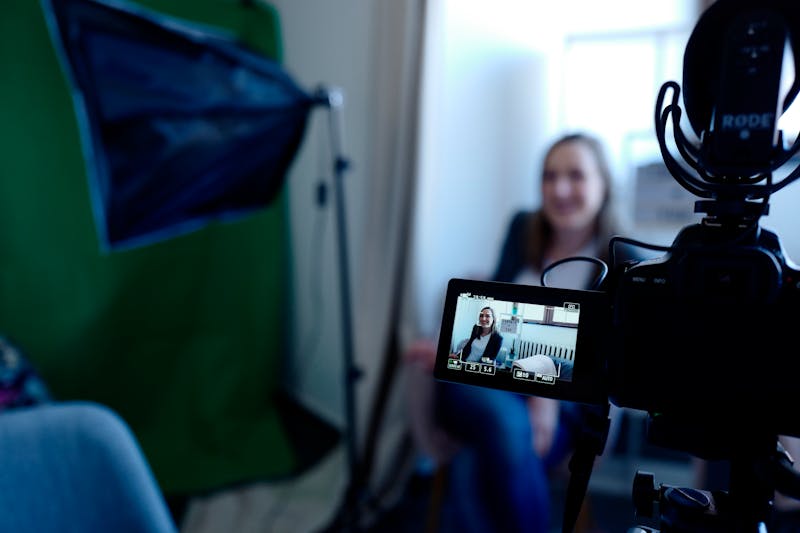 Photo by CoWomen on Pexels
Nothing builds trust like hearing from satisfied customers. Testimonial videos capture authentic experiences and provide the social proof prospects need before committing.
Best for:
- Sales enablement and pitch decks
- Landing pages and case study pages
- LinkedIn and professional networking
- Email nurture sequences
The authenticity factor: Scripted testimonials feel forced. The best results come from interview-style testimonial video production in London where customers share genuine experiences in their own words. Professional editing then shapes these into compelling narratives.
Typical length: 60-120 seconds for standalone testimonials; 15-30 second clips for social proof snippets
Key elements: Real customers, specific results (numbers and outcomes), emotional connection, and a focus on the transformation rather than features.
4. Training Videos
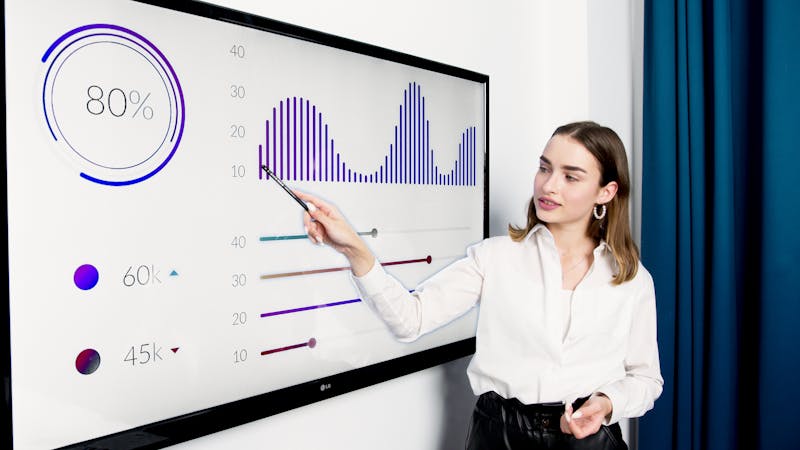 Photo by Artem Podrez on Pexels
Training videos deliver consistent, scalable education across your organisation. From onboarding new starters to compliance training, video reduces costs whilst improving knowledge retention.
Best for:
- HR and learning & development teams
- Compliance and health & safety requirements
- Software and process training
- Sales enablement and product knowledge
The ROI case: Video training reduces instructor time, ensures consistent delivery, and allows employees to learn at their own pace. Organisations report 40-60% reduction in training delivery time.
Typical investment: Training video production ranges from £2,500 to £8,000 per module, with series packages offering better value for ongoing programmes. For London-specific rates and a per-module rate card, see our training video cost guide for London businesses.
Best practice: Keep modules to 5-10 minutes. Break longer topics into series. Include knowledge checks. Design for mobile viewing.
For detailed guidance on this format, see our comprehensive training video production guide.
5. Event Videos
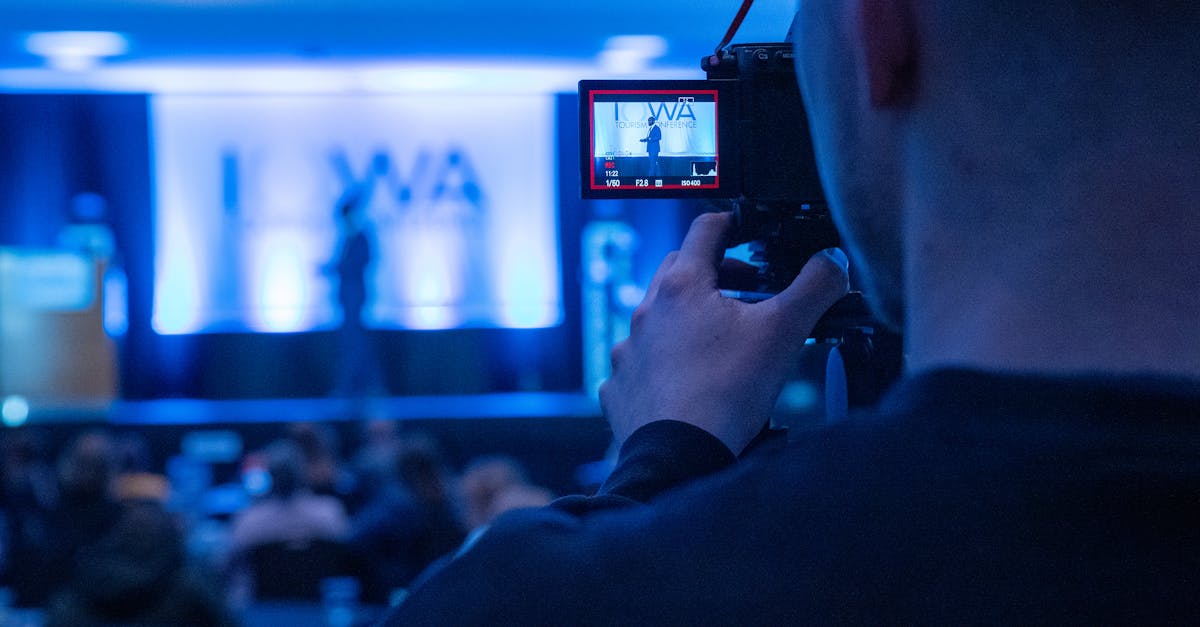
Event videos document conferences, product launches, company milestones, and industry gatherings. They extend the reach of your events beyond attendees and create valuable content for future marketing.
Best for:
- Conference and seminar coverage
- Product launch documentation
- Company anniversary celebrations
- Award ceremonies and galas
- Thought leadership content
Typical deliverables:
- Highlight reel (2-3 minutes) for social sharing
- Speaker presentation captures for on-demand viewing
- Attendee testimonial clips
- Behind-the-scenes content for culture marketing
Live streaming option: Many events now combine filming with live streaming for remote audiences. This requires additional production planning but significantly extends reach.
We cover event filming in depth in our conference filming guide, including multi-camera setups and live streaming integration.
6. Company Culture Videos
Culture videos show what it's really like to work at your organisation. They're essential for talent acquisition in competitive hiring markets.
Best for:
- Careers pages and job listings
- LinkedIn company pages
- University recruitment campaigns
- Employee advocacy programmes
Show, don't tell: The most effective culture videos feature real employees sharing authentic experiences. Avoid scripted testimonials and corporate messaging - candidates see through it immediately.
Typical length: 2-3 minutes for comprehensive culture pieces; shorter cuts for specific role or department focuses
Key elements: Genuine employee stories, day-in-the-life footage, workspace and team interactions, and honest representation of your values in action.
7. Product Videos
Product videos showcase physical products or demonstrate software, driving purchase decisions for e-commerce and B2B sales.
Best for:
- E-commerce product pages
- Amazon and marketplace listings
- Social commerce campaigns
- B2B product demonstrations
Conversion impact: Products with video see significantly higher conversion rates. For e-commerce, this can mean the difference between browsing and buying.
Typical length: 30-60 seconds for product showcases; 2-3 minutes for detailed demonstrations
Format considerations: Product videos often need multiple versions - square for Instagram, vertical for TikTok/Stories, and landscape for websites and YouTube.
Decision Matrix: Which Type of Video Do You Need?
| Your Primary Goal | Recommended Video Type | Typical Investment |
|---|---|---|
| Increase brand awareness | Promotional Video | £3,000 - £10,000 |
| Explain a complex product | Explainer Video | £4,000 - £12,000 |
| Build trust and credibility | Testimonial Video | £2,000 - £5,000 |
| Train employees at scale | Training Video | £2,500 - £8,000 |
| Document an event | Event Video | £2,000 - £6,000 |
| Attract talent | Company Culture Video | £3,000 - £8,000 |
| Sell products online | Product Video | £1,500 - £5,000 |
Starting point recommendation: Most businesses should start with a promotional video for their website, then add testimonial videos for sales enablement. Training and culture videos follow as operational needs develop.
How Much Does Each Type Cost in London?
Video production costs vary significantly based on complexity, locations, and production values. For London-based businesses, here's what to expect:
Entry-level: Simple single-location shoots with minimal post-production start around £1,500-£2,500.
Professional standard: Most corporate videos fall in the £3,000-£8,000 range, covering proper planning, professional crew, quality equipment, and thorough post-production.
Premium production: Complex multi-day shoots, multiple locations, or high-end animation typically range from £8,000-£15,000+.
For detailed pricing guidance, see our comprehensive corporate video production cost guide.
Combining Video Types for Maximum Impact
Most businesses benefit from a strategic mix of video types rather than a single piece. Here's how they work together:
Awareness to conversion:
- Promotional video captures attention (top of funnel)
- Explainer video educates prospects (consideration stage)
- Testimonial videos build trust (decision stage)
Employer brand package:
- Company culture video for careers page
- Department/role-specific videos for job listings
- Employee testimonial clips for LinkedIn
Internal communications:
- Training videos for knowledge transfer
- Event videos for company updates
- Culture videos for onboarding
FAQs About Types of Corporate Videos
What type of corporate video is best for my small business?
For most small businesses, start with a promotional video for your homepage and website. This gives you versatile content for social media, email campaigns, and sales conversations. If you're in a service business, add a testimonial video to build trust. The combination of brand video plus social proof addresses both awareness and credibility.
Can I combine different video types in one project?
Absolutely. Many businesses commission a package that includes a promotional video alongside 2-3 shorter testimonial clips. This approach is more cost-effective than separate projects and ensures visual consistency across your video content.
How long does it take to produce each type of corporate video?
Most corporate videos take 2-4 weeks from brief to final delivery. The breakdown typically looks like: 1 week for planning and scripting, 1 day for filming, and 1-2 weeks for editing and revisions. Training videos may take longer due to content complexity and stakeholder reviews.
Do I need actors for corporate videos?
Not usually. Most corporate videos feature real employees and customers, which adds authenticity that actors can't replicate. We provide coaching to help non-actors feel comfortable on camera. The exception is promotional videos for larger brands, where professional talent may be appropriate.
What makes a good corporate video?
The best corporate videos share five characteristics: a clear objective, concise messaging (under 2 minutes for most types), professional production quality, authentic representation of your brand, and a strong call to action. They focus on the viewer's needs rather than listing company features.
Which type of video has the best ROI?
This depends entirely on your business objectives. Training videos often show the clearest ROI through reduced training costs and improved consistency. Testimonial videos tend to show strong returns through improved conversion rates. Promotional videos drive brand awareness that's harder to quantify but essential for growth.
Ready to Create Your Corporate Video?
Understanding which type of video your business needs is the first step. The next is finding a production partner who understands your objectives and can deliver quality that represents your brand.
Airframe Media produces all seven types of corporate videos for London businesses. From initial concept through to final delivery, we handle everything - strategy, scripting, filming, editing, and optimisation for your target platforms.
Get in touch to discuss which type of video will best serve your business goals.
Looking for more video marketing insights? Explore our guides to corporate video production costs, event filming, and animation for business.
ABOUT THE AUTHOR
Founder & CEO
Liam founded Airframe Media in 2015 and leads creative direction across the studio. He has produced 500+ corporate, commercial, and event films for UK businesses including Levy, Taylor Wimpey, and ExCeL London, and writes about the craft of professional video production in London.
TAGS
Related Services
Ready to Bring Your Vision to Life?
Let's discuss how our video production services can elevate your brand